

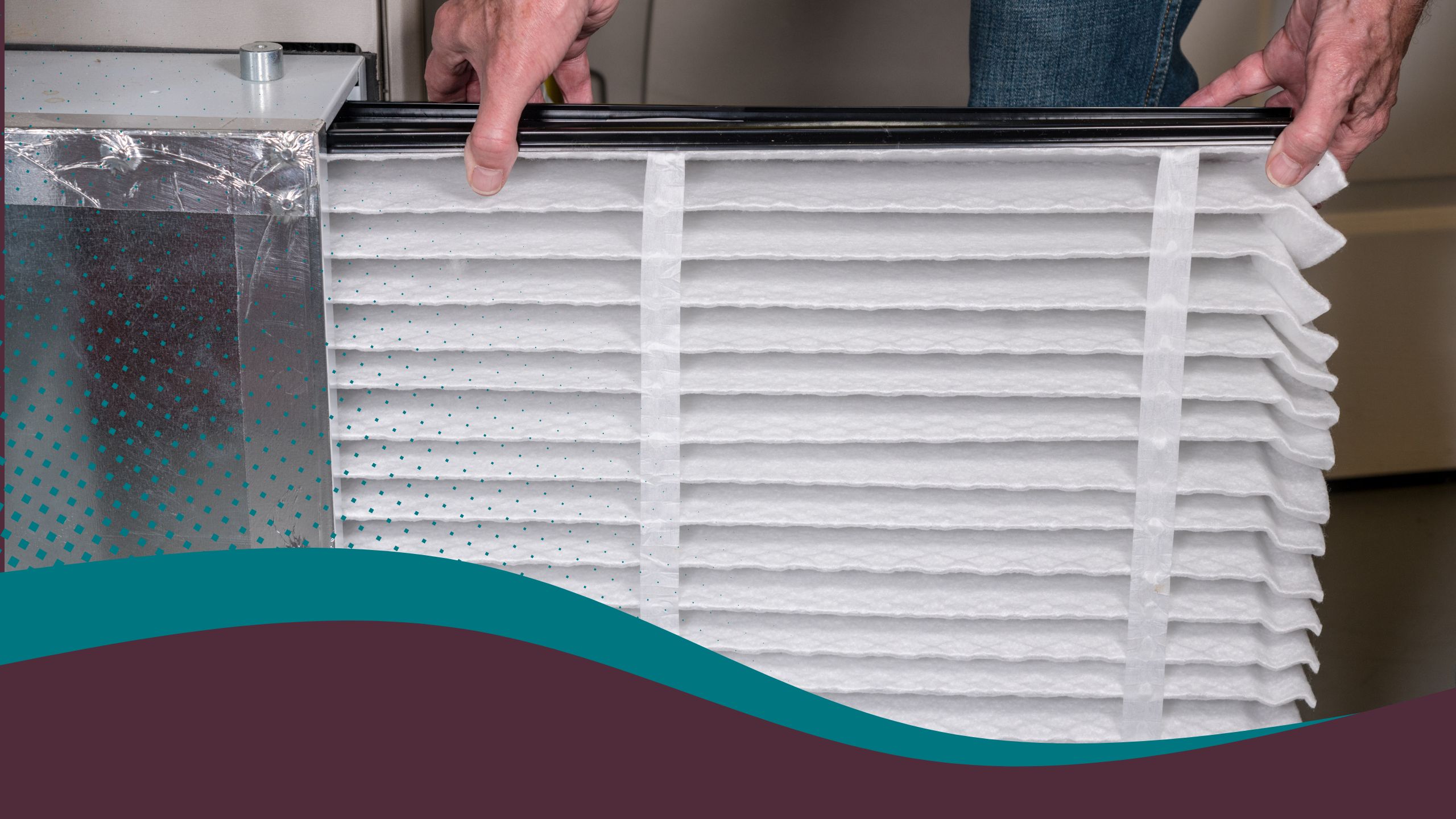
Most homeowners know they’re supposed to change their air filter. Fewer know why it matters, or what actually happens when they don’t.
An air filter might seem like a small, forgettable part of your HVAC system, but it plays a big role in your home’s comfort, efficiency, and indoor air quality. Here’s what every homeowner should know.
What Your Air Filter Actually Does
Your HVAC air filter has two main jobs:
Protect your system by trapping dust and debris before it reaches sensitive components
Improve indoor air quality by catching airborne particles like dust, pollen, and pet dander
As air circulates through your home, it passes through the filter over and over again. Over time, that filter fills up doing exactly what it was designed to do.
The problem starts when it gets too full.
What Happens When a Filter Gets Dirty
A clogged filter restricts airflow. When airflow is restricted, your system has to work harder to push air through your home.
That can lead to:
Rooms that feel stuffy or unevenly heated or cooled
Longer run times and higher energy bills
Extra strain on your blower motor
Reduced ability to trap new airborne particles
In short, a dirty filter doesn’t just affect air quality, it affects comfort, efficiency, and the long-term health of your system.
How Often Should You Change Your Filter?
There’s no one-size-fits-all answer, but here are general guidelines:
Every 1–2 months if you have pets, allergies, or run your system frequently
Every 2–3 months for most average households
More often during heavy heating or cooling seasons
Homes with pets, kids, construction nearby, or higher dust levels usually need more frequent changes. The best rule of thumb? If it looks dirty, it’s time.
Understanding Filter Types (Without the Jargon)
Not all filters are the same.
You’ve probably seen MERV ratings, which measure how effectively a filter captures particles. Higher numbers catch smaller particles but that doesn’t automatically mean “better” for every home.
A filter that’s too restrictive for your system can reduce airflow just as much as a dirty one. That’s why the “best” filter depends on:
Your HVAC system design
Your home’s airflow needs
Your indoor air quality goals
This is where well-intentioned DIY choices can sometimes cause problems.
Common Filter Myths
“The most expensive filter is always best.”
Not necessarily. The wrong filter can strain your system.
“If airflow feels strong, my filter must be fine.”
Airflow can drop gradually. You may not notice until comfort suffers.
“Changing filters only helps allergies.”
Filter changes help your system run efficiently and extend its lifespan, too.
A Small Habit That Makes a Big Difference
Changing your air filter regularly is one of the simplest ways to:
Improve indoor air quality
Keep your system running smoothly
Maintain consistent comfort throughout your home
It’s a small habit, but one that pays off all year long.
If you’re not sure which filter is right for your system or how often you should be changing it, that’s a conversation we’re always happy to have. Sometimes a quick check makes all the difference.
Because when it comes to comfort, the little things matter.


